LearningData
Learning Data, By Understanding First
  • Home
  • Archive
  • About
  • Login

LearningData

Learning Data, By Understanding First.
Exploring data analytics, AI, and governance.

Navigate

  • Home
  • Blog
  • About

Topics

  • Data Analytics
  • AI & ML
  • Governance

© 2026 LearningData. All rights reserved.

•

Learning Data, By Understanding First

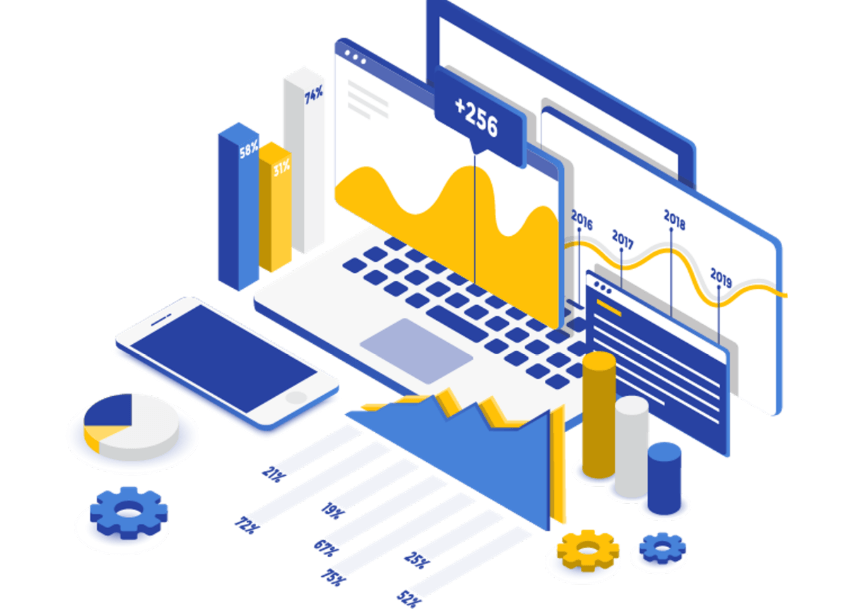
Understanding matters more than tools. We break down data analytics, AI, and governance through first principles — building knowledge from the ground up.
Read more
Fashion and style

Editor's Pick

Essential reading for data practitioners

About Learning Data
Featured · Analytics in Practice

About Learning Data

Hành trình của tôi bắt đầu từ vai trò Data Analyst, nơi công việc không chỉ là viết SQL hay dựng dashboard, mà là chuyển dữ liệu thành quyết định.

December 20, 2025·5 min read

Foundations

Core principles and mental models

Understanding Data Types
data-typesdata-modeling

Understanding Data Types

Data types span both technical storage formats (e.g., SQL types) and semantic domains that define meaning, rules, and valid operations in analytics. Defining reusable domains, mapping them consistently across platforms, and enforcing them with constraints and automated tests reduces type drift, improves data quality, and supports reliable reporting.

Data types span both technical storage formats (e.g., SQL types) and semantic domains that define meaning, rules, and valid operations in analytics. Defining reusable domains, mapping them consistently across platforms, and enforcing them with constraints and automated tests reduces type drift, improves data quality, and supports reliable reporting.

Analytics in Practice

Real-world problems and solutions

Data Team làm gì?
Data Analytics

Data Team làm gì?

Làm data là một hành trình dài, nhiều lúc mệt, nhiều lúc cô đơn, nhưng nếu làm đúng – bạn đang đứng ở trung tâm của những quyết định quan trọng nhất trong tổ chức.

Làm data là một hành trình dài, nhiều lúc mệt, nhiều lúc cô đơn, nhưng nếu làm đúng – bạn đang đứng ở trung tâm của những quyết định quan trọng nhất trong tổ chức.

Governance Thinking

Building trust in data systems

Data Governance Without Bureaucracy
data-governancedata-quality

Data Governance Without Bureaucracy

Effective data governance does not require heavy committees and paperwork; it requires clear decision rights, accountable owners, and controls embedded into daily data delivery. By defining measurable data quality expectations and automating checks and monitoring, organizations can improve trust and compliance while minimizing process overhead.

Effective data governance does not require heavy committees and paperwork; it requires clear decision rights, accountable owners, and controls embedded into daily data delivery. By defining measurable data quality expectations and automating checks and monitoring, organizations can improve trust and compliance while minimizing process overhead.

AI & Machine Learning

ML systems in production

Feature Engineering Principles
feature-engineeringmachine-learning

Feature Engineering Principles

Feature engineering is the disciplined process of turning raw, time-dependent data into reliable model inputs that are correct at prediction time. Effective practice combines standard transformation patterns, domain-driven definitions, and strong controls for data quality, leakage prevention, and training/serving consistency. Operationalizing features requires governance, documentation, versioning, and monitoring—often supported by (but not replaced by) a feature store.

Feature engineering is the disciplined process of turning raw, time-dependent data into reliable model inputs that are correct at prediction time. Effective practice combines standard transformation patterns, domain-driven definitions, and strong controls for data quality, leakage prevention, and training/serving consistency. Operationalizing features requires governance, documentation, versioning, and monitoring—often supported by (but not replaced by) a feature store.

About

A data practitioner's research notebook. Understanding over execution.

Essential Readings

01Data Analytics Fundamentals
02The ETL Mental Model
03SQL Performance Tuning
04Data Governance Without Bureaucracy

Editor's Picks

The Data Quality Paradox
Framework
ML in Production: The Hard Parts
Critical View
The Data Catalog Dilemma
Opinion

Topics

Foundations12Analytics in Practice15Governance Thinking10AI & Machine Learning8
ISSN: 2024-LD-001
© 2024 LearningData
Jan 6·4 min
Data Warehouses Explained
data-warehousedata-architecture

Data Warehouses Explained

A data warehouse is a dedicated analytical system that integrates data from multiple operational sources, preserves history, and enables consistent reporting and BI at scale. It reduces risk to OLTP performance while providing governed definitions, quality controls, and repeatable transformations for enterprise analytics.

A data warehouse is a dedicated analytical system that integrates data from multiple operational sources, preserves history, and enables consistent reporting and BI at scale. It reduces risk to OLTP performance while providing governed definitions, quality controls, and repeatable transformations for enterprise analytics.
Jan 8·7 min
What Makes Good Data?
data-qualitydata-governance

What Makes Good Data?

Good data is “fit for use”: it meets explicit, measurable quality requirements for a specific business context. Organizations typically define these requirements using common data quality dimensions (accuracy, completeness, consistency, timeliness, validity, and uniqueness), then operationalize them with governance ownership, automated validation, and continuous monitoring across the data lifecycle.

Good data is “fit for use”: it meets explicit, measurable quality requirements for a specific business context. Organizations typically define these requirements using common data quality dimensions (accuracy, completeness, consistency, timeliness, validity, and uniqueness), then operationalize them with governance ownership, automated validation, and continuous monitoring across the data lifecycle.
Jan 12·6 min
The ETL Mental Model
etldata-quality

The ETL Mental Model

An ETL mental model treats data pipelines as staged, governed movement of data from sources to curated, consumable products. By combining clear layer boundaries, data contracts, and quality gates across accuracy, completeness, consistency, timeliness, validity, and uniqueness, teams can build pipelines that are repeatable, observable, and fit for defined business use cases.

An ETL mental model treats data pipelines as staged, governed movement of data from sources to curated, consumable products. By combining clear layer boundaries, data contracts, and quality gates across accuracy, completeness, consistency, timeliness, validity, and uniqueness, teams can build pipelines that are repeatable, observable, and fit for defined business use cases.
Jan 10·5 min
Data Modeling Basics
data modelingdimensional modeling

Data Modeling Basics

Data modeling defines how data is structured, related, and constrained so it can be stored, integrated, and used reliably. This article introduces core modeling concepts, the conceptual/logical/physical levels, and common approaches such as normalized modeling, dimensional modeling, and Data Vault, with practical guidance for building governable analytics-ready datasets.

Data modeling defines how data is structured, related, and constrained so it can be stored, integrated, and used reliably. This article introduces core modeling concepts, the conceptual/logical/physical levels, and common approaches such as normalized modeling, dimensional modeling, and Data Vault, with practical guidance for building governable analytics-ready datasets.
Jan 4·8 min
Dec 20
·
5 min read
About Learning Data
Data Analytics

About Learning Data

Hành trình của tôi bắt đầu từ vai trò Data Analyst, nơi công việc không chỉ là viết SQL hay dựng dashboard, mà là chuyển dữ liệu thành quyết định.

Hành trình của tôi bắt đầu từ vai trò Data Analyst, nơi công việc không chỉ là viết SQL hay dựng dashboard, mà là chuyển dữ liệu thành quyết định.
Dec 20·5 min read
A/B Testing at Scale
experimentationab-testing

A/B Testing at Scale

A/B testing at scale requires standardized instrumentation, governed metric definitions, automated data quality checks, and a repeatable experimentation lifecycle. By treating experimentation as a managed data product—supported by a semantic layer, robust logging, and operational guardrails—organizations can run many concurrent tests while maintaining trustworthy decisions.

A/B testing at scale requires standardized instrumentation, governed metric definitions, automated data quality checks, and a repeatable experimentation lifecycle. By treating experimentation as a managed data product—supported by a semantic layer, robust logging, and operational guardrails—organizations can run many concurrent tests while maintaining trustworthy decisions.
Dec 30·11 min
SQL Performance Tuning
sqlperformance-tuning

SQL Performance Tuning

SQL performance tuning is a disciplined process for improving query latency, throughput, and predictability without changing results. It combines plan-based diagnosis, query rewrites, indexing and statistics management, and workload-aware modeling to meet measurable performance requirements.

SQL performance tuning is a disciplined process for improving query latency, throughput, and predictability without changing results. It combines plan-based diagnosis, query rewrites, indexing and statistics management, and workload-aware modeling to meet measurable performance requirements.
Jan 5·12 min
Dashboard Design Principles
dashboardsdata-governance

Dashboard Design Principles

Effective dashboards start with decision needs, governed metric definitions, and trustworthy data quality—not chart selection. By applying an information hierarchy, accessible visual design, and a semantic-layer-driven delivery lifecycle, dashboards become reliable decision-support products rather than collections of disconnected metrics.

Effective dashboards start with decision needs, governed metric definitions, and trustworthy data quality—not chart selection. By applying an information hierarchy, accessible visual design, and a semantic-layer-driven delivery lifecycle, dashboards become reliable decision-support products rather than collections of disconnected metrics.
Dec 28·7 min
Dec 28·9 min
Privacy by Design
privacy-by-designdata-governance

Privacy by Design

Privacy by Design embeds privacy requirements into the architecture, governance, and lifecycle controls of data systems so privacy protections are built in rather than added later. It is operationalized through enforceable practices such as minimization, purpose-bound access, secure processing, controlled sharing, and automated retention and deletion aligned with frameworks like DAMA-DMBOK, TOGAF, NIST, and ISO/IEC 27701.

Privacy by Design embeds privacy requirements into the architecture, governance, and lifecycle controls of data systems so privacy protections are built in rather than added later. It is operationalized through enforceable practices such as minimization, purpose-bound access, secure processing, controlled sharing, and automated retention and deletion aligned with frameworks like DAMA-DMBOK, TOGAF, NIST, and ISO/IEC 27701.
Dec 25·7 min
Metadata Management
data-governancemetadata-management

Metadata Management

Metadata management operationalizes “data about data” so people can discover, understand, trust, and govern data assets. A sustainable approach connects technical, business, and operational metadata through standards, tooling, and stewardship workflows embedded in the data delivery lifecycle.

Metadata management operationalizes “data about data” so people can discover, understand, trust, and govern data assets. A sustainable approach connects technical, business, and operational metadata through standards, tooling, and stewardship workflows embedded in the data delivery lifecycle.
Dec 20·5 min
Data Lineage Tracking
data-lineagemetadata-management

Data Lineage Tracking

Data lineage tracking documents how data originates, transforms, and is consumed across systems. It underpins governance, data quality management, and change impact analysis by connecting technical metadata (pipelines, schemas, code) with business context (owners, definitions, metrics).

Data lineage tracking documents how data originates, transforms, and is consumed across systems. It underpins governance, data quality management, and change impact analysis by connecting technical metadata (pipelines, schemas, code) with business context (owners, definitions, metrics).
Dec 18·8 min
The Data Catalog Dilemma
data-catalogmetadata-management

The Data Catalog Dilemma

Many data catalogs fail because the underlying metadata management practice is weak: metadata becomes stale, definitions don’t match business language, trust signals are missing, and the catalog is not embedded in daily workflows. A sustainable catalog treats metadata as a managed asset with automation, stewardship, governance decision rights, and measurable outcomes like discovery success and fitness-for-use signals.

Many data catalogs fail because the underlying metadata management practice is weak: metadata becomes stale, definitions don’t match business language, trust signals are missing, and the catalog is not embedded in daily workflows. A sustainable catalog treats metadata as a managed asset with automation, stewardship, governance decision rights, and measurable outcomes like discovery success and fitness-for-use signals.
Dec 22·6 min
Dec 15·8 min
MLOps Fundamentals
MLOpsMachine Learning

MLOps Fundamentals

MLOps is the discipline of operating machine learning systems end to end, combining DevOps-style automation with data management controls such as governance, metadata, and data quality. It focuses on repeatability, traceability, controlled deployment, and production monitoring so models remain reliable as data and business conditions change.

MLOps is the discipline of operating machine learning systems end to end, combining DevOps-style automation with data management controls such as governance, metadata, and data quality. It focuses on repeatability, traceability, controlled deployment, and production monitoring so models remain reliable as data and business conditions change.
Dec 10·10 min
ML in Production: The Hard Parts
mlopsdata-governance

ML in Production: The Hard Parts

Putting an ML model into production requires far more than exporting a trained artifact: it demands consistent feature computation, rigorous versioning and lineage, safe deployment practices, and continuous monitoring across data, model behavior, and system health. Treating ML as a governed lifecycle (data + model + operations) is essential to maintain reliability as data and business conditions change.

Putting an ML model into production requires far more than exporting a trained artifact: it demands consistent feature computation, rigorous versioning and lineage, safe deployment practices, and continuous monitoring across data, model behavior, and system health. Treating ML as a governed lifecycle (data + model + operations) is essential to maintain reliability as data and business conditions change.
Dec 18·11 min
Model Bias in Practice
machine-learningmodel-governance

Model Bias in Practice

Model bias in machine learning is a lifecycle issue that can enter through problem framing, data collection, labeling, feature design, optimization objectives, and deployment feedback loops. Effective practice combines subgroup measurement using complementary fairness and performance metrics with targeted mitigations and strong governance, documentation, and ongoing monitoring.

Model bias in machine learning is a lifecycle issue that can enter through problem framing, data collection, labeling, feature design, optimization objectives, and deployment feedback loops. Effective practice combines subgroup measurement using complementary fairness and performance metrics with targeted mitigations and strong governance, documentation, and ongoing monitoring.
Dec 12·9 min
Model Monitoring Best Practices
mlopsmodel-monitoring

Model Monitoring Best Practices

Model monitoring is an operational control that tracks data quality, feature and prediction stability, model performance, and business outcomes to detect drift and prevent silent degradation. A robust approach combines statistical drift measures with governance, versioning, and an incident-ready workflow for rollback or retraining.

Model monitoring is an operational control that tracks data quality, feature and prediction stability, model performance, and business outcomes to detect drift and prevent silent degradation. A robust approach combines statistical drift measures with governance, versioning, and an incident-ready workflow for rollback or retraining.
Dec 8·7 min